Welcome to my blog!

I'm an acupuncturist, teacher, fertility specialist, patient centered advocate, mom, activist and more! This blog is a place for me to write down the things on my mind, the things I discuss over and over, and the things I find helpful, interesting, and inspiring all in the hope that someone else out there, maybe YOU, will find some of these things to be helpful, interesting and inspiring too. I love learning, I love sharing, and I am passionate about helping others lead more balanced, fertile, and healthy lives - while trying to do the same myself. So here goes... The Blogging Life...
Showing posts with label Fertility. Show all posts

1.03.2014

Survive and Thrive in IVF!


Embarking on an IVF cycle, whether it's your first and only or fifth and final is a BIG DEAL!

The stakes couldn't be higher... after all, it's your most personal and deepest desires on the line... not to mention the money, shots, hormone fluctuation, missed work, strained relationships, sometimes secrecy, pressure, eek! 

Since starting my private practice in 2006 over 90% of my patients have been fertility patients and I often have the honor of supporting women preparing for and through IVF cycles, on the day of embryo transfer, during the nerve-wracking two week wait, and beyond. Through this work I have seen themes. Common worries, questions, concerns and so.... (drum roll please!)

I'm thrilled to announce a once a month phone-in class for all women going through IVF that will cover these themes for any and ALL women who are preparing for an upcoming IVF!

We'll cover:
Ways to make shots less stressful and more comfortable
Ways to stay connected to your partner and life and keep love in the process of making your baby
How to combat the desire to be hyper-vigilant and fixated on your lady parts (what's that twinge mean - should I google it!?)
How to stop feeling stressed about feeling stressed (what a rotten catch-22!)
Ways to brace for the news and stay sane during your two week wait (and then hopefully while waiting for your first ultrasound look at baby)
Coping with the unknown
What factors influence your chances of success most
Balancing hope and fear
And MORE

Women who feel supported, connected, less fearful and more knowledgeable fair better in all sorts of ways, let me help you feel empowered and ready to take on this formidable task like the amazing, strong, resilient woman you are!

Cost $30 per woman/couple handouts included
Full refunds given with cancellations more than 7 days prior to scheduled class
Non Refundable within 7 days of class date (handouts will still be emailed)

Click to register!
OR Go Here to browse ALL UPCOMING LHL EVENTS: http://www.lifehealinglife.com/events/

8.21.2013

Thyroid and Fertility/Pregnancy

Lots of women don't realize how important healthy thyroid levels are for not only conceiving, but for a healthy pregnancy and beyond.

I just came across this really nice article that has a great summary of the basics, including which levels to have tested. Lots of doctors only test TSH which can sometimes lead to misdiagnosis and undetected thyroid problems.

The good news about having your thyroid checked is that most any doctor will order these tests, they are readily covered by most insurance plans and inexpensive. It's a good thing to check off your list in your fact finding journey towards a healthy pregnancy!

8.19.2013

Holistic Views on Clomid - is it right for YOU?

I am not a Reproductive Endocrinologist or an OBGYN. I am a holistic practitioner with 10 years of clinical experience and 7 years of exclusive fertility experience. The information I am giving you here is based on holism and looking at women as a whole (body mind and spirit). It is a different way of looking at fertility and one I am passionate about. What I tell you may or may not agree with what your western practitioner advises you to do. I am simply giving you my way of thinking and what my clinical experience leads me to believe is the most whole person and holistic approach to using Clomid treatments to conceive a baby! As with so many things on this journey, you will get conflicting opinions and you ultimately have to choose what feels right in your heart and body and as a couple. I hope this will help you choose the route that is easiest on you and most likely to really work :)

Clomid is the very first line in many fertility treatments. It is often prescribed with little education or monitoring and here are the things I wish more women and doctors would consider before deciding if it is right for them...

Clomid is a very hot drug from a Traditional Chinese Medicine (TCM) energetic perspective. It is like putting fuel on a fire... which is good if what you are lacking is fire, not so much if you have plenty of fire, but are lacking coolant or blood, or are just too stuck for things to circulate smoothly.

So if you are considering Clomid, here's the type of people who (holistically) do well on it:

If you are chilly more often than overheating (not just your hands and feet, but your whole body-chilled) then clomid might be a good fit for you.
If you tend to be lethargic or fatigued then clomid might be a good fit for you.
If your main emotions tend to be anxious, sad and weepy, or fearful, then Clomid might be a good fit for you.
Some women with PCOS or cystic ovaries will answer yes to the above questions, but due to their higher than average risk of producing extra follicles and developing OHSS (a serious problem) they really need to be monitored EXTREMELY closely to avoid OHSS (as well as super-multiple pregnancies which are unhealthy for both mom and babies) but Clomid still might be okay for them in some situations.

Overall, for most women with the above symptoms, Clomid feels fine (no big side effects). These women get a little boost of energy, feel more comfortable, feel more even emotionally and even like Clomid (in moderation - read on about this).

The following characteristics will tell you if Clomid is NOT a good holistic fit for you... if you are these things, then I'd highly recommend talking to your doctor about skipping the Clomid and try injectables if you are wanting to do fertility treatments or trying holistic methods to correct these things first (which might help you get pregnant and avoid Clomid altogether!)

If you already tend to overheat, have hot flashes or have night sweats avoid Clomid.
If you tend to have high or nervous energy then Clomid is probably not a good fit for you.
If you already have issues with your lining being too thin (uterine lining) then skip Clomid.
If your main emotions tend to be irritated, angry or frustrated, then Clomid probably won't be a good fit.
If you already have migraines that are worse with stress or exercise a lot/very vigorously because it actually makes you feel better (as opposed to because you think you should), Clomid likely isn't for you.

For the women with the above symptoms PRIOR to taking Clomid, Clomid will likely make these things worse. These are the types of women you see blogging about how taking Clomid turned them into raging crazy maniacs, gave them horrible migraines, sent them into 6 months of horrible night sweats that were so bad they had to get up and change the sheets... you've read the blogs I'm sure... it's not so good.

Now, I know Clomid is inexpensive, and I know many doctors prescribe it like it's no big deal. So if you do decide to use Clomid, then you should know this!

Clomid has a long half life... the half life is 5-7 days which means if you take 50mg (a normal fertility dose) in 5-7 days 25mg is still present in your body. 5-7 more days later you are down to 12.5mg. 5-7 more days you are down to 6.25mg. 5-7 more days you are down to 3mg. 5-7 more days 1.5mg. 5-7more days a tiny amount 5-7 more days it's pretty much gone... so that's nearly 2 months.  If your dose is higher, it takes longer!  Women will often remark how they can't believe they are still having side effects from Clomid 2-3 months after they've taken it. This is why that can occur.

Because Clomid has a long half life, doing back to back cycles of it build on each other. This can be good in some cases (if it is agreeing with the woman), but bad in others (when it is causing side effects and not good results). Side effects can get worse and worse with each subsequent cycle (especially when there is no break in between and women are in the don't take Clomid holistic category I listed above).

Also, holistically Clomid is like putting fuel on a fire. This can be okay for a short amount of time, but eventually, even with women who don't start out overheating and irritable it WILL burn up their good coolant (yin). So even after the drug is out of their system, they may be left with really horrible NEW imbalances that have been induced by using Clomid for too long. This is heartbreaking, because perhaps they start out in category A above and Clomid is good for a while, but if they keep it up they end up adding the symptoms of category B above to their category A symptoms and now they are even more of a mess and still not pregnant. This is super hard holistically and takes a long time to fix.

Numerous studies have shown that if pregnancy will occur with Clomid, 75% will occur within the first 3-4 cycles. Doing more cycles causes more side effects, creates increased risk of ongoing hormonal imbalance and will not likely result in a baby. In all my years working with women using clomid, I have seen exactly 1 patient who has gotten pregnant on a round of Clomid that was beyond her 3rd (and it was her 4th).

Clomid makes the fluids in your body "burn up" so it tends to make uterine linings thinner (fine if you have some to spare) and cervical mucus cooked down and thicker (fine if you are using IUI to bypass the sperm needing to swim through the mucus). If you are using Clomid with sex you REALLY need to do something to help insure that the sperm can make it through the cervical mucus.  You have some options... Here is a nice article about natural options (the supplement FertileCM is good if you have it on had ahead of time... you have to order it online). You can buy preseed and pre (sperm friendly lubes) at walgreens, CVS, target etc. and should NOT use any other lubes when you are TTC and doing clomid.

You may have read about taking cough syrup to enhance your fertility. That's actually misleading. You can take cough syrup to thin your cervical mucus which can help with sperm getting to their destination. So if that's your issue (and it likely will be if you take Clomid) then it's something to consider. But for most women it's not needed. But, you're here because you're thinking of or on Clomid right!?  So here's the scoop on doing that... which is good if you aren't doing IUI with your CLomid.

And last but not least! The ultimate goal of Clomid is to make you ovulate if you are not ovulating and make more than one follicle/egg to ovulate and increase your odds of conceiving. It is VERY important to realize that if you are not being monitored via ultrasound during your cycle you have NO IDEA how many follicles/eggs you are making and potentially fertilizing. This is one of the main situations that leads to the stories of women pregnant with multiples, and not just twins... triplets, quads and more. I know you are thinking if I haven't had a baby or gotten pregnant yet, I doubt that will happen (and I get that logic), but it is a real risk and one you need to be aware of. I am a BIG fan of monitoring. (not to mention you want to know how your body responds so you can know if it's worth repeating again or moving on to something else if it doesn't work). Selective reduction or high risk pregnancies for mom and babies are no joke. Both are situations I wouldn't wish on anyone. Especially someone who has already gone through the heartache of fertility struggles.  So ask for monitoring or go to someone who monitors these cycles. It's important!

That's my two cents (okay, maybe more) on Clomid. I hope it is helpful to you on your journey!

Best Wishes,
Nicole

PS:

If you want some layperson info on Clomid and how it works here's a good article from Fertility Today

And here's the official FDA page about Clomid with lots of good information including some absolute contraindications (which I didn't go over because your doctor should know them and they aren't super common!) listed as well as lots of other info on the technical mechanisms of Clomid.

6.29.2013

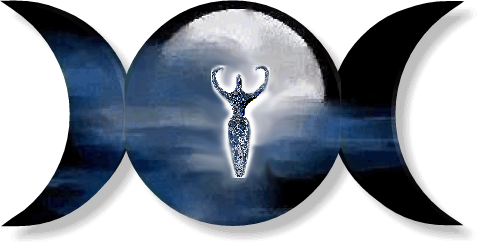
Triple Goddess


Did you know that there are lots of ways to practice Classic Chinese Medicine? There are lots of little subsystems, all based on the same foundation principles, but each with their own nuances and preferences for point selection and ways to influence the body and its resources.

Some of the systems are:
Zang Fu or Organ and Bowel: (this is the main types I use in my practice) where you focus on the functions associated with each organ in the body and the acupuncture channels associated with each organ... for example, working with the stomach channel for digestive issues, lung channel for respiration...
5 Element: instead of using the organ systems to diagnose and treat, the body is looked at in terms of various energetics - fire, earth, metal, water and wood.
8 Extraordinary Vessels: is a subtype that focusses on the deeper most primitive channels that do not run on the surface of the body. These channels are thought to be the ONLY channels you have when you are in utero and so are thought to be ways to tap into your most fundamental resources and patterns.

I recently did some continuing education taught primarily based on principles of the 8 extraordinary vessels. It was fascinating and something I look forward to learning more about and implementing into my practice. Especially as a fertility acupuncturist working primarily with women, the idea of accessing the deepest roots of a woman's energy and the only channels that were formed when she was in utero (when her eggs were also formed) is fascinating and powerful to me!

One of the most interesting concepts the instructors of this particular class discussed was the idea of women having three distinct stages of womanhood/energy.  This can be represented by the various phases of the moon (waxing/growing, full, and waning/shrinking) as well as by the idea of the archetype of the triple goddess (see the lovely image above for inspiration/weird witch like feelings... if you need to pause and go howl at the moon or rub a crystal or something feel free!)

As freaky and out there as it sounds, the idea is actually pretty intuitive. It is, that women naturally go through 3 energetic/life phases (the three goddesses). The first goddess is the Maiden... she is young, discovering her power and sense of self, independent, explores her power, full of vivacity, focussed on herself... you get the idea.  The second goddess is the Mother... she is full of life giving energy, able to create and be fruitful, she is self-sacrificing (for the sake of the greater good/nurturing), and nourishes others. The third goddess is the Crone... she has inner wisdom, is a truth seeker, and namer of truth & reality, she is able to help others break free and see the light (sometimes through tough love). It is important to remember, that although seeing these three stages in terms of literal mothering seems like an insult to those who WANT to be doing these things, but aren't able to, that they truly reply to all sorts of ways of being fruitful, creating, nurturing (not just of a child).

Here's where this plays into modern fertility struggles. Where historically, the Maiden phase would start at puberty and end around 20 where the Mother phase would begin. Many modern women stay in the Maiden phase and do not make this transition for years if not decades. They do not make the transition in their early 20s, many still don't in their late 20s, some don't through their 30's and into their 40s.  Not only is this unnatural... trying to continue to be a Maiden well past when we are naturally made to be a Maiden - (exercising and doing treatments to try to keep the body and face of a 18 year old), living life focused on being independence, not nourishing others, and focused on self over others, it is a huge detriment to fertility.

Now, I know what many will say... but why shouldn't women be able to do this? Men do it! Isn't this what women's liberation fought for?  But I would argue that TRUE women's liberation is when the natural cycles and abilities of women and their bodies are regarded equal to the natural cycles and abilities of men. Why is it, that to become stronger women have to become like men? Why shouldn't our culture value and respect women and their bodies for what they are... more yin, more nurturing, softer, more expressive and receptive, more naturally made to serve and love than to force through?  Instead our culture supports and values the exact opposite, which leads many women to avoid being a Mother for too long...

One thing is for sure... this culture of idolizing all things masculine and trying to stay more yang by being the maiden for most of our lives certainly isn't helping our fertility.

So, if you are reading this post, do a little check in and see which phase you think your body should naturally be in right now. There's no time like the present and you can't go back and change things. Ask yourself where could you focus less on yourself and trying to continue to be achieving, doing, independent and full of force and where could you nurture (yourself and other things), be softer, be reflective and receptive. It's a good place to start!

Oh, and if you think this post sucks because it makes you think question where you are and choices you've made I'm truly sorry. I promise I'm posting in the name of awareness bringing the potential for change... blame it on practitioner Nicole being a bit of the Crone... it's tough love, shedding some light on the reality of the situation. I sincerely hope it can help, even if it's not what you want to hear! Call me, we can chat :)

Much Love,
Nicole

6.04.2013

Acupuncture Day of Embryo Transfer - Latest Published Study

Here's the link to the NIH write up


 2013 Jun;31(2):157-61. doi: 10.1136/acupmed-2012-010269. Epub 2013 Mar 19.

Influence of acupuncture on the outcomes of in vitro fertilisation when embryo implantation has failed: a prospective randomised controlled clinical trial.

Source

Faculty of Medicine of ABC, Clinic for Human Reproduction, , Santo André, São Paulo, Brazil.

Abstract

OBJECTIVE:

To evaluate the effectiveness of acupuncture and moxibustion as an adjuvant treatment in women undergoing in vitro fertilisation (IVF) when embryo implantation has failed.

METHODS:

A prospective, randomised controlled clinical trial was conducted with 84 infertile patients who had had at least two unsuccessful attempts of IVF. The patients were randomised in three groups: control (n=28), sham (n=28) and acupuncture (n=28). The sample size was calculated by assuming a pregnancy rate of 10% when embryo implantation had failed. The pregnancy rates of the current IVF cycle were evaluated by measurement of blood β human chorionic gonadotrophin (βhCG) and subsequent transvaginal ultrasound. Acupuncture was performed on the first and seventh day of ovulation induction, on the day before ovarian puncture and on the day after embryo transfer. In the acupuncture group, patients were treated with moxibustion at nine acupuncture points (BL18, BL22, BL23, BL52, CV3, CV4, CV5, CV7, GV4) and needling at 12 points. In the sham group needles were inserted in eight areas that did not correspond to known acupuncture points.

RESULTS:

The clinical pregnancy rate in the acupuncture group was significantly higher than that in the control and sham groups (35.7% vs 7.1% vs 10.7%; p=0.0169).

CONCLUSIONS:

In this study, acupuncture and moxibustion increased pregnancy rates when used as an adjuvant treatment in women undergoing IVF, when embryo implantation had failed.

3.19.2013

Holistic Factors in Predicting IVF Success

Photo: ALAMY

I've said it loads of times; holistically a woman's level of fertility and chances of having a baby are dependent on SO much more than her age. Sure, age can be a general thing to consider (and there are certainly holistic things to consider when it comes to being a mom or dad at older ages), but  I would MUCH rather have a person look at his or her overall level of health and balance (or lack thereof) when it comes to figuring out if the odds are stacked for or against them.

In the last year a company has begun the initial stages of offering two products that look at things a bit more holistically. These tests are based on research done at Stanford University's School of Medicine by Mylene Yao MD and her team (she is also the co-founder of the company that is marketing this test).

"It was the goal of Yao, Westphal and their colleagues to develop a way to provide patients with more personalized predictions. They took data from 1,676 IVF cycles performed at Stanford Hospital and Clinics between 2003 and 2006 and identified 52 factors -- such as patient age, levels of certain hormones, number and quality of eggs and individual characteristics of each embryo -- that influence a woman's chance of having a baby. They then developed a computer model that sorted patients into subsets defined by similar clinical characteristics (so-called "deep phenotyping") to predict live-birth probabilities in a subsequent round of IVF.
When testing their model with data from a separate set of more than 600 IVF treatments performed in 2007-08, the researchers determined that the model's predictions were significantly different than the age-based predictions in 60 percent of patients. Interestingly, out of this group, more than half were assigned greater odds of having a baby than what age-related data indicated.
What's more, in further verifying the accuracy of their new method, Yao and her colleagues determined that their model predicted outcomes with 1,000 times more accuracy than the age-based guidelines widely used in clinics.
Their findings, the researchers said in the paper, indicated that "the current age-based paradigm may provide misleading live birth outcome probabilities for a large portion of patients."

The company, Univfy, is hoping to offer two tests one based on up to 20 factors in women who have already undergone IVF (to predict the outcomes of subsequent cycles) and another "which assesses hormone levels, health and lifestyle factors," that will be marketed to couples considering their first cycle of IVF.   Here's another article about these two tests.

Dr. Yao puts it quite nicely:  
"This is a very important development as we want to get people away from thinking that probability is totally centered on age... The chance of a woman's IVF treatment being successful is much more complex than that."

What a lovely and very HOLISTIC way to look at things!

On that note, I've mentioned this relatively new book to lots of my patients over the last year or so called "Making Babies: A proven three month program for maximum fertility" There is a fabulous website that goes with it and I think it is a great jumping off place for many who want to improve their lifestyle and overall health with the intention of optimizing their fertility. Which is GREAT because (as opposed to age, which only gets worse and worse when it comes to fertility, your lifestyle choices and overall health are ALWAYS things you can improve!) My only gripe with this book is the same as the one I have with  any fertility "program" it can be overwhelming and stressful and the stress can cancel out the good your are aiming to benefit from. Please pace yourself and listen to your gut and the voice of moderate reason. You do not have to do everything all at once or chose the things that will create a bunch more stress in your life, rather do the options that make sense to you and trust that things are cumulative and that tipping the scales further and further in the right direction will serve you well whatever your ultimate path may be.  

10.22.2012

A lovely piece of writing on 'infertility'

Don't Think of Elephants

Such a lovely, honest, real account of a really hard journey.  I especially like the ending. I hope you'll take some time to read this touching essay.


9.20.2012

PCOS Mother load Part TWO Obesity and Insulin Resistance

If you missed part one of this article you can find it here.  In part one I cover the causes and mechanisms of PCOS.

In the most typical presentation of PCOS a woman has additional weight (especially around the midsection - i.e. an apple shape) the very very best treatment is both incredibly simple AND difficult... weight loss...

In the Journal of Human Reproducation in 1998 a study was published that showed the difference between women who were overweight (with any diagnosis, not just PCOS) who lost weight for six months prior to trying to conceive using ART and those who did not lose weight and used ART.  The pregnancy and birth rates were HUGELY improved in the weight loss group (with the average weight loss just over 22 lbs.):

Without Weight-loss
Pregnancy rates 12%

With Weight-loss
Pregnancy rates 77%

Without Weight-loss
Miscarriage rates: 75%
Live Birth rates: 3%

With Weight-loss
Miscarriage rates: 18%
Life Birth rates: 67%

When the amount of money spent on fertility treatments compared to the rate of live birth was compared, the data was staggering...

The average cost per baby for the weight-loss group was $4,600
The average cost per baby for the group who did not lose weight was $275,000!

These are some powerful statistics, but when there is insulin resistance weight gain becomes even more problematic.

Why does Insulin resistance make people gain weight (especially around the middle)?
Insulin's job is to bind together with glucose (blood sugar) in the blood stream (where the glucose is floating around and waiting to be used for energy by the cells). Once insulin binds to the glucose, it acts as a sort of key... and the glucose can bind to and pass through these little receptors on the surface of the cells all over the body.  Once the glucose is inside the cell it is used to fuel the cellular function. This is how it should work.

When there is a lot of insulin in the blood stream the glucose gets let into the cells too quickly.  The cells get flooded with glucose (sugar) at a rate that is not healthy or necessary.  Because the body is smart, it knows this is not good.  So because it cannot always control how much glucose the body has in it (that's up to the person and how they choose to eat) or how much insulin is being produced (when there is a glitch or the body is pumping it out because the diet is requiring it) the body does the only thing it has left to do to keep the cells from getting flooded with too much glucose. It cuts down the number of receptors on the cells so that the glucose cannot get in.

In an average, healthy person, each of their cells has about 20,000 receptors on its surface.
In a person with insulin resistance the average cell has about 5,000 receptors on its surface - 1/4!

So then the glucose can't get in as fast.

What happens next makes sense.  The glucose is still there, but it can't get into the cells.  It is floating around in the blood stream with nowhere to go and it creates congestion in the blood vessels.  The tiniest capillaries in the fingers and toes get the worst, in fact, they are so small, the damage from the congestion causes inflammation and them to be blocked (microcirculation issues... which is a big deal, because the circulation to a newly implanted embryo depends on this type of blood flow). As this microcirculation gets blocked the glucose (sugar) begins to concentrate more and more in the center of the body where the bigger blood vessels are and where there is room.

The cells that are closer to the center of the body, where the glucose builds up the most have a constant and steady stream of sugar entering them.  Even though they have reduced their receptors down to 1/4 of what they normally would have they get fed a non-stop supply of glucose... And the liver that is located right in the thick of where the glucose is building, converts extra glucose into fat, which get deposited nearby around the middle of the body... and this is why the apple shape type of obesity is common with insulin resistance.

In general 25% of women who are overweight are also poly-cystic (not all have fertility troubles, but many do)
In general only 5% of women who have a healthy body weight are also poly-cystic.

What is the best way to lose weight if I have insulin resistant type obesity patterns?
Exercise is key, and every little bit helps.  Do not feel discouraged or like you have to go all out, just do something every day possible!  Remember, the women in the study above did not lose a TON of weight, they lost an average of 22 lbs!

As for diet, one of the best way to disrupt this vicious cycle is by slowing down the sources of glucose (sugar) to the body.  Certain foods are easily turned into big bursts of glucose (simple carbs and sugars do this), while other foods break down more slowly and supply a more slow and steady form of glucose to the body (proteins do this).  Lots of foods fall in between (complex carbs).  If you follow a high protein/low glycemic index diet you will be eating in the best way to decrease this build up of glucose in the bloodstream.

A certain type of protein has another benefit. Whey protein has an amino acid that helps regulate insulin production, so adding whey protein is a good option (in moderation).

And there are some lovely herbal formulas and acupuncture treatments to help decrease dampness (which weight is considered) and improve metabolic function, so you can always throw those into the mix!

So that's the scoop on why losing weight is important and why the weight gain happens in the first place.

In my next installment I'll be going over common treatments used for PCOS infertility... what the studies say and why Traditional Chinese medicine may very well be the best possible treatment for women with PCOS...


9.10.2012

The PCOS Mother Load of Information Part One

In the US 5-10% of women of reproductive age (thats' about 5 million women!) have PCOS (or polycystic ovarian syndrome).  Interestingly, recent studies have shown up to 50% of teenage girls exhibit signs of it (a sign of the times, or something that was there before and just hadn't been noticed remains to be seen).

Of course not all women who have PCOS have trouble with infertility, but it certainly isn't uncommon for it to take it's toll on fertility for many.

Sadly, I am always a bit baffled and disheartened when I see how many women with "a diagnosis" (of any type really) know their diagnosis, maybe a statistic or two about the implications for fertility and little else.  Talk about a disempowering system... when doctors don't even take the time to educate women on what is happening in their own body and invasive treatments are given it just seems terribly sad and wrong to me.

So here is Part ONE of the PCOS mother load!  In this post I will give you some basic info on signs and symptoms and the underlying mechanisms of PCOS.  Look for Part TWO of this post coming soon, where I'll share lots of good research and hopeful statistics on how well DIY and TCM options can work for improving not only your chances of conception, but a healthy pregnancy and a healthier YOU.  These are some pretty fabulous things for women with what is considered by most to be a stubborn and frustrating (and all too common) disease. And Part THREE will cover common western treatments and how they work (or don't) and where the side effects can be an issue.

How do you get diagnosed with PCOS
To receive a diagnosis of PCOS you should have 2 or more of the following:
-polycystic (sometimes called Pearl-like) appearing ovaries (diagnosed via ultrasound) (this means 10+ cysts on the ovaries and increased ovarian volume, not just individual or acute cysts on the ovaries which many women get occasionally) see picture below.
-a history of irregular menstruation and/or ovulation
-signs of biochemical hyperandrogenism (a fancy way of saying too many male hormones) which most often means excessive and male pattern body hair growth (on abdomen, face, etc), acne and male pattern hair loss.
-elevated lutinizing hormone, insulin (and obesity), and testosterone (via blood work sample)


so you can see, it is possible to get a diagnosis of PCOS without cysts on your ovaries... humph.  And it is also possible to not have the typical "look" associated with PCOS (overweight with extra body hair) but still have the blood work and ultrasound and get the diagnosis... leading many people to tell you over and over how "atypical you are" (nice) or forget you have a diagnosis of PCOS only to have to have you repeat this fact repeatedly (most annoyingly when the person in question is your health care provider!)

What causes PCOS?
Well, statistics and the rise of problems associated with PCOS definitely seem to correlate to LOTS of lifestyle implications (exercise and diet in particular). These two things can definitely trigger or tip the scales for the worse for many.  The good news about this is that lifestyle is a big big deal and can make a big difference for the better for many women.

That said, PCOS is highly linked to family history ie. there is a genetic predisposition and it is inherited (and can be from either side of the family) In fact, baby girls born to mothers who have PCOS at the time of conception have larger ovaries at the time of birth and a mom with PCOS impacts future rates of diabetes in adulthood for the children (all the more reason to really work on fixing the ROOT, instead of just taking clomid and trying to get pregnant despite having PCOS. (Let me be clear, I would NEVER suggest anyone with PCOS shouldn't want or try to have children, but I do feel strongly that if moms are more balanced they have more balanced children and visa versa, so I do think getting things improved in a reasonable and time sensitive way is an awesome benefit to the health of future children and worth doing in PCOS and in lots of other situations!)

Why would there be genes for this... is it a glitch?
PCOS genes are also sometimes called "thrifty genes" because having this genotype in times of famine help the overall population survive.  When women without this issue become too thin and stop having healthy reproductive function the women in the "typical" PCOS group become more fertile and start being able to reproduce more easily.  Cool for human beings as a whole, not so cool for modern day women struggling with this issue!

What is going on in PCOS (mechanisms)?
The bottom line for PCOS is that it all starts with too much insulin (from genetic predisposition and/or diet and lifestyle)!  The extra insulin stimulates certain cells in the body called Theca cells to produce extra male hormones.  The female body then converts extra androgens (male hormones) into estrogen, that's what it does with normal amounts of male hormones, it just does it more because there are more to start with... so then we have a situation where there is too much male hormone (testosterone mainly) AND too much estrogen.

The body doesn't have enough ways to handle the high levels of estrogen and it can't clear it out of the blood fast enough.

So the high levels of estrogen signal to the pituitary gland to increase lutinizing hormone (which is the hormone that normally surges prior to ovulation and triggers ovulation to happen).

But because the high levels of estrogen are constant and not happening in a spike the lutinizing hormone ends up being elevated chronically and never or rarely in big enough of a spike to actually trigger ovulation.  UGH!

And if that weren't bad enough the low dose (but extra) estrogen inhibits FSH, so follicles don't grow well either, so even if the body does try to ovulate, the follicles don't look so hot, double ugh!

This is in fact, a TON like how birth control works.  Low dose estrogen shuts down the whole system.

Why is the insulin high in the first place?
That goes back to the what causes PCOS question.
Insulin resistance is key and that comes from a combination of lifestyle choices and genetic tendencies.

Wait... explain the difference between high insulin and insulin resistance, they seem like opposites?
Although the terms make lots of people confused and they seem like they might be opposites they are actually two ways of saying the same thing.  Because the body is insulin resistant (doesn't respond well to normal amounts of it) the body makes more and more and more (so the insulin levels are higher than they should be).  So insulin resistance and high insulin are actually synonymous.

More to come....

7.26.2012

I don't fit in.


What an isolating and terrible thing, this thing called infertility.  It's not enough to say that it strains relationships with those you care about and love dearly.  The friend who used to be by your side through thick and thin now just can't seem to understand why you can't "be happy for her" as she welcomes her baby into the world and you stay behind, wanting desperately to join her.  The sister who was younger and always looked to you for advice is passing you by. Your parents want to be supportive but say the wrong things. Your partner is on a different page and doesn't respond the way you wished he/she would.  It is a stress and strain that can bust things that once seemed rock solid, shake things that you would have sworn were unshakable.  It is harder than you would have ever dreamed.

And to all this, there is even more.  The feeling of not fitting in even amongst those you have an unspoken connection with fellow women struggling to conceive...

Well, at least I don't have it as bad as her.
She doesn't have it nearly as bad as me.

I can't believe she's been through this (how many!) times?
They must think I'm crazy to still be doing this (how many!) times.

At least you know what it's like to be pregnant
At least you haven't had to go through the pain of miscarriage.

I hope I don't end up like her.
They don't want to end up like me.

I don't think I could ever adopt but good for her.
They just hope they won't have to adopt like me.

And yet, it is human to feel these things. We suffer as they weigh on us as we feel all alone. I know from my classes, it is possible for a group of women to connect in amazing and supportive ways, and yet to feel alone.  I guess this is just another example of when things are both together at the same time without blending the two.  There is one that feels "right" and one that feels "wrong" yet both are logical and both are real and to just take a step back and know that it is true and okay and human is to give yourself a little more breathing room.

I don't think there is a way to make this go away, but I think there is a way to make it less alone feeling, and that way is to honor that it is happening. Here's to fewer elephants in the room, here's to calling them out.  It changes nothing, it changes everything.

7.12.2012

Meditations For Fertility (and other stuff too!)

Guided meditations can be a lovely way to take some time to relax, be mindful and focus on areas you want to put some time, attention and intention!  (On the other hand they can be frustrating, hard to stick with and sleep inducing... hey, at least the last one could be a good thing!)

But don't take my word for it!  See which camp you fall into... will you love them or hate them?  There's only one way to find out.  Here are my most frequently recommended meditations (including some lovely FREE mp3s that are very good!)  Let me know what you think :)

Meditation Oasis FREE MP3s & Podcast you can listen to them individually and choose from meditations including "Letting Go" "Breath Awareness" "Emotional Ease" "Flowing with Change" and many more.  These are fabulous meditations and you can't beat the price!

Circle + Bloom Free Fertility Medication Another freebie and fertility specific to boot.  This whole site is full of great fertility specific holistic information.  They also offer this meditation series that has one meditation for each day of a woman's cycle, meditations for PCOS, FETs, IVFs, Relaxation for Men, Pregnancy, Labor & Delivery and more (all can be found using the link above and do need to be purchased).

These Health Journeys guided meditations are done by one of the most well known guided meditation guides, Bellaruth Naparstak, Downloadable (for a fee) meditations include ones for panic, anxiety, surgery, sleep, chemotherapy, pain, depression, and smoking cessation.  Other cds on lots and lots of specific topics can also be purchased here or on Amazon.com too

Anji Meditations are done by a local woman named Jennifer Bloom who is a committed and active member of the local fertility scene in the Twin Cities.  I use many of Jennifer's meditations in my clinic including one she collaborated on with well known author Randine Lewis (author of The Infertility Cure) You can sign up for a newsletter and download some basics and fertility meditations for free or purchase more in depth and specific meditations.

Jon Kabat-Zinn Meditations these are for folks who don't mess around, multiple cd series of lengthier meditations by one of the best know teachers of mindfulness for pain and mindfulness in general.  There are both sitting, lying and moving meditations in these collections

Happy listening.... or snoozing... whatever!
Nicole


6.07.2012

DHEA and what you should consider before going on it for fertility!


Yes, DHEA can be associated with improved egg quality and decreased chromosomal abnormalities (and recent research support this so all the sudden fertility clinics are recommending it left and right!) but it is worth looking more in depth...

DHEA is a hormone secreted by the adrenal glands and is a precursor for testosterone, estrogen and the stress hormone cortisol (as well as others). In instances where a woman is lacking in these things it can be good (in instances of premature ovarian decline when estrogen is lacking for example)

In instances where a woman is NOT lacking these things it can be bad (masculinizing, feeding into estrogen excesses, fueling growths that are dependent on extra estrogen like some sorts of tumors/masses, increasing stress hormones...)

Also, it is important to note that because hormones work on feedback loops if one hormone changes then others adjust accordingly so again, this can be good or bad, depending on if adding the hormone is really needed or not. When adding a hormone puts the body back into balance the other hormones will benefit from this, when adding a hormone puts the body out of balance the other hormones will be more likely to become out of balance too.  

The best way to really tell if a person could use DHEA is to test their current levels, if it is low, go for it, if not just say NO (a study is not reason enough for everyone to do something!)

In loo of having the basic blood test, secondary ways to tell if DHEA is a good idea include going on it and see how you feel… if you feel worse or have side effects, holistically this is a good indication that it is NOT a good fit for you, alternatively, if you feel great on it, then it might be good for you (I'd still suggest bloodwork!)

Another secondary way to tell would be to go based on other hormonal signs… like with POF and high FSH then you might infer that going on it would be good because those hormones that are made from it are low. This would be inferring that DHEA is a good match.

But why shouldn't everyone just try it?  Who can it really hurt!?

It is a known fact that growths like fibroids and endometriosis are fueled by extra estrogen, so I would strongly suggest that if endometriosis, fibroids, cysts, etc. are a known or possible issue taking DHEA is not a good idea at all!  Even if there is POF/POD, or a past medicated cycle suggests "age related" ovarian decline, if there are growths, DHEA is only going to make those worse so at best it's helping one area and making another worse.  

I feel a bit frustrated with western clinics at times (though overall they do a TON of good and have their hearts in the right place most of the time) because they often absolutely discourage their patient from doing most supplements, but then all the sudden there will be a big study or trend to use a supplement and all the sudden the same clinic will be telling their patients to take the same supplement that just a year ago the clinic would have poopoo-d.  I wish they would leave the supplements and alternative/holistic stuff to those of us who actually understand the holistic way of diagnosing and dosing, recommending.  The truth is DHEA can be really great for some and really detrimental for others and if you look at the big picture you're more likely to get it right.  

And since I know western science often seals the deal for choices, here is what a few western websites have to say which will back me up:

WebMD says: Hormone-sensitive conditions such as breast cancer, uterine cancer, ovarian cancer, endometriosis, or uterine fibroids: DHEA is a hormone that can affect how estrogen works in the body. If you have any condition that might be made worse by exposure to estrogen, don’t use DHEA.

Depression and mood disorders: There is some concern that patients with a history of depression and bipolar disorder might have some mental side effects if they use DHEA. DHEA can cause mania (excitability and impulsiveness), irritability, and sexual inappropriateness in people with mood disorders. If you have a mood disorder, be sure to discuss DHEA with your healthcare provider before you start taking it. Also, pay attention to any changes in how you feel.

Polycystic ovary syndrome (PCOS): Taking DHEA might make this condition worse. Don’t use DHEA if you have PCOS.

And Mayo Clinic.com says:

Side Effects and Warnings
Few side effects are reported when DHEA supplements are taken by mouth in recommended doses. Side effects may include fatigue, nasal congestion, headache, acne, or rapid/irregular heartbeats. In women, the most common side effects are abnormal menses, emotional changes, headache, and insomnia. Individuals with a history of abnormal heart rhythms, blood clots or hypercoagulability, and those with a history of liver disease, should avoid DHEA supplements.
Because DHEA is a hormone related to other male and female hormones, there may be side effects related to its hormonal activities. For example, masculinization may occur in women, including acne, greasy skin, facial hair, hair loss, increased sweating, weight gain around the waist, or a deeper voice. Likewise, men may develop more prominent breasts (gynecomastia), breast tenderness, increased blood pressure, testicular wasting, or increased aggressiveness. Other hormonal-related side effects may include increased blood sugar levels, insulin resistance, altered cholesterol levels, altered thyroid hormone levels, and altered adrenal function. Caution is advised in patients with diabetes or hyperglycemia, high cholesterol, thyroid disorders, or other endocrine (hormonal) abnormalities. Serum glucose, cholesterol and thyroid levels may need to be monitored by a healthcare professional, and medication adjustments may be necessary.
National Institute of Health mimics webMD:
Hormone-sensitive conditions such as breast cancer, uterine cancer, ovarian cancer, endometriosis, or uterine fibroids: DHEA is a hormone that can affect how estrogen works in the body. If you have any condition that might be made worse by exposure to estrogen, don’t use DHEA.

That's my 2 cents… okay, it's at least a dollars worth, but I think it's worth shedding some light in an area that can make a big difference to make the best call on an individual level instead of blindly following the crowd.  .  

Chinese Herbal Medicine for Endometriosis

See the study on PubMed

This is a really exciting finding on Chinese herbal medicine and post laparoscopic suppression of endometriosis.  While it is small (158 women) it shows that Chinese herbal medicines are as effective or MORE than the two main western drugs used to inhibit the return of endometrial tissue post surgery.  AND it specifically notes that while there are side effects to the two Western drugs (Danazol and Gestrinone) there are NOT with chinese herbs.

I know I have seen herbal formulas do some pretty amazing things including help prevent endometriosis from returning in patients of mine who have previously had to undergo repeated laperoscopic surgeries to remove it.  PLUS, they can help with the whole person and help women feel better overall when the formula is the right match for the job.  I love studies like this and it's exciting to see more research on Chinese herbal medicine, vs. all on acupuncture (not that I mind those studies either, but acupuncture is just one aspect of Chinese medicine!)


5.16.2012

Hurrah for HERBS for fertility

While there's always some buzz about acupuncture for improving fertility related challenges (see LOTS of my other blog posts for links to the studies) this one is EXTRA cool because it's about Chinese herbs!  Those of you who know me know I'm a totally geek for TCM herbalism, acupuncture, yeah, that's cool and all, but the elegant, nuanced things you can do with herbs REALLY make me think!  


http://www.ncbi.nlm.nih.gov/pubmed/22036524
To sum it all up, in a review of studies on TCM herbal medicine for fertility that includes over 1,800 cases the results, "suggests that management of female infertility with Chinese Herbal Medicine can improve pregnancy rates 2-fold within a 4 month period compared with Western Medical fertility drug therapy or IVF."


I dig it!

4.24.2012

Advocate for Change!


Perhaps it is silly to think I can change something, but why not try!?  In honor of national infertility awareness week, please pass along this request...  

Next time you're thinking of asking a woman or man, "Do you have kids?"  Make a simple change and say, "Do you have OR WANT TO HAVE kids?"  

If the person you are talking to is one of the 7.3 million women in the US alone (1 in 8 couples!) who desperately wants to have a child(ren) it might make a HUGE difference! Please share this idea via Facebook, talking, tweeting, blogging, and more.  Thanks!

4.17.2012

Luteal Phase Acupuncture has a positive effect on the outcome of IVF/ICSI

See the Abstract Here

Study Title:

Effect of acupuncture on the outcome of in vitro fertilization and intracytoplasmic sperm injection: a randomized, prospective, controlled clinical study.


Fertil Steril. 2006 May;85(5):1347-51. Epub 2006 Apr 17.

Effect of acupuncture on the outcome of in vitro fertilization and intracytoplasmic sperm injection: a randomized, prospective, controlled clinical study.

Source

Division of Reproductive Endocrinology and Infertility, Department of Obstetrics and Gynecology, University of Witten/Herdecke, Dortmund, Germany. Dieterle@IVF-Dortmund.de

Abstract

OBJECTIVE:

To determine the effect of luteal-phase acupuncture on the outcome of IVF/intracytoplasmic sperm injection (ICSI).

DESIGN:

Randomized, prospective, controlled clinical study.

SETTING:

University IVF center.

PATIENT(S):

Two hundred twenty-five infertile patients undergoing IVF/ICSI.

INTERVENTION(S):

In group I, 116 patients received luteal-phase acupuncture according to the principles of traditional Chinese medicine. In group II, 109 patients received placebo acupuncture.

MAIN OUTCOME MEASURE(S):

Clinical and ongoing pregnancy rates.

RESULT(S):

In group I, the clinical pregnancy rate and ongoing pregnancy rate (33.6% and 28.4%, respectively) were significantly higher than in group II (15.6% and 13.8%).

CONCLUSION(S):

Luteal-phase acupuncture has a positive effect on the outcome of IVF/ICSI.

Reduction of blood flow impedance in the uterine arteries of infertile women with electro-acupuncture

This article from Human Reproduction shows a positive correlation between the use of electro-acupuncture and blood flow to the uterus and ovaries - a positive for improving fertility, especially in women with circulatory concerns and high stress (which impedes blood flow to the reproductive organs)

Reduction of blood flow impedance in the uterine arteries of infertile women with electro-acupuncture

See the study, complete with charts here (click)

Role of acupuncture in the treatment of female infertility

From FERTILITY AND STERILITY® VOL. 78, NO. 6, DECEMBER 2002 Copyright ©2002 American Society for Reproductive Medicine

This article reviews some of the established and current data/research on how acupuncture positively effects the hypothalamic pituitary ovarian axis, regulates hormones, decreases stress hormones and promotes more fertile hormonal levels in the body. It is worth a read if you are interested in the science behind acupuncture and fertility!

Role of Acupuncture in the Treatment of Female Infertility-F&S 2002

4.16.2012

Acupuncture for Male Factor

See the full article here (with chart)

This is a nice article reviewing the research that has been done on acupuncture and male factor infertility.  It reviews the individual studies/outcomes as well as states the overall findings... complete with a handy chart that reviews motility, concentration and volume.

Article Title: A prospective randomized placebo-controlled study of the effect of acupuncture in infertile patients with severe oligoasthenozoospermia


Results: The results of the present study support the significance of acupuncture in male patients with severe oligoastheno- zoospermia. More evidence has to be accumulated before the efficacy and effectiveness of acupuncture in male infer- tility can be evaluated. 


4.13.2012

Specific Nutrition for Fertility & Pregnancy Concerns- Chromium

Chromium (PCOS, metabolic syndrome, diabetes, gestational diabetes)

Chromium is a mineral that helps the body break down and store fats, carbohydrates, and protein. It also works with the hormone insulin to maintain normal levels of glucose (sugar) in the body – an important consideration, for fertility concerns where blood sugar or metabolic syndrome play a roll (PCOS) especially if you're diabetic or become diabetic during pregnancy. Chromium has also been studied for its ability to increase sperm count.
How much chromium you need
TTC/Pregnant women: About 25-30 micrograms (mcg) a day (29 mcg if you're 18 or younger).
Breastfeeding moms: 45 mcg a day (44 if you're 18 or younger)
Men: About 35mcg
Brewer's yeast is a concentrated source of chromium, containing as much as 60 mcg per tablespoon. Other good sources include:
  • 1 tablespoon peanut butter: 41 mcg
  • 1 cup boiled spinach: 36 mcg
  • 3 ounces broiled skinless chicken: 22 mcg
  • 1 cup button mushrooms: 20 mcg
  • 1 medium apple: 15 mcg
  • 1/2 cup broccoli: 11 mcg
  • 3 ounces turkey ham (processed): 10.4 mcg
  • 1 cup grape juice: 8 mcg
  • 1 cup romaine lettuce: 7.34 mcg
  • 1 waffle (about 2.5 ounces): 6.7 mcg
  • 1 whole wheat English muffin: 4 mcg